
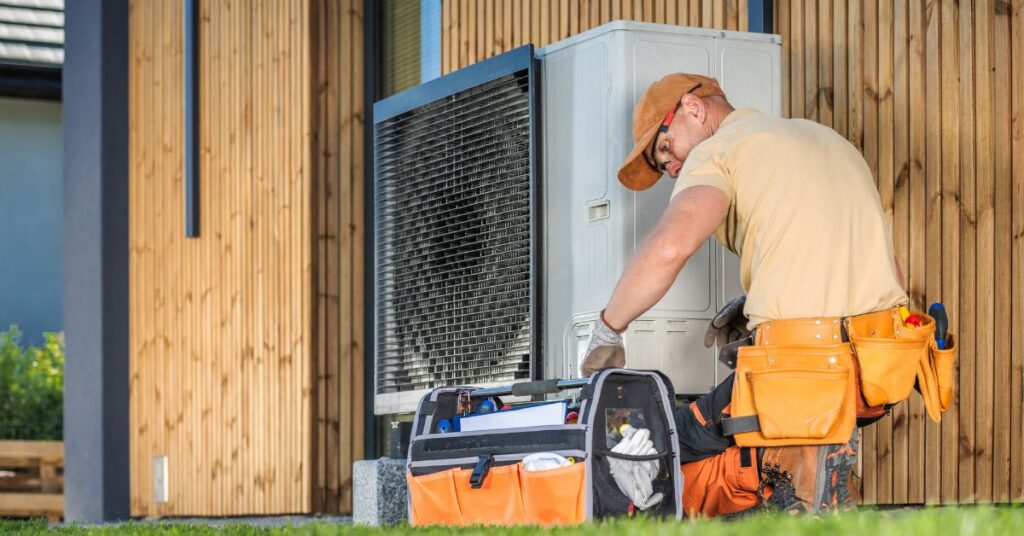
Still, believe heat pumps don’t work in cold Massachusetts winters? You’re not alone, but you might be missing out on one of the most efficient heating and cooling systems available today. As demand for energy-efficient HVAC solutions continues to rise, heat pumps in Framingham, MA, are quickly gaining popularity among homeowners and small business owners alike.
At Kerivan-Lane, we often hear concerns rooted in outdated information. In this post, we’re debunking the most common myths about heat pumps so you can make an informed decision about your home’s comfort system.
If you are comparing options, our heat pump installation team can help you understand what system type and sizing makes sense for your home.
Myth #1: Heat Pumps Don’t Work in Cold Climates
This is one of the most persistent misconceptions. Early heat pumps struggled in sub-freezing temperatures, giving rise to the belief that they were not suitable for northern states. But technology has come a long way.
So, do heat pumps really work in cold climates? In most Massachusetts homes, yes, especially when the equipment is designed for cold-weather performance and installed correctly.
In fact, many homes in the Northeast have already switched to heat pumps with great success. If you’re in Framingham and wondering whether a heat pump can handle winter, the answer is a confident yes.
Myth #2: Heat Pumps Are Too Expensive to Install and Operate
While the upfront cost of a heat pump may be higher than a traditional furnace or air conditioner, it’s important to consider the long-term savings. Heat pumps are incredibly energy-efficient, transferring heat rather than generating it, meaning lower monthly utility bills.
In addition, Massachusetts offers generous rebates and incentives through programs like Mass Save®, which can significantly reduce the installation cost. Over time, your investment in a heat pump can more than pay for itself.
If you have heard heat pump cost myths, compare total operating cost, not just installation price. Running cost depends on fuel and electric rates, your home’s insulation, and system efficiency, but many households save because heat pumps move heat instead of generating it.
Myth #3: Heat Pumps Only Provide Heat
Many people assume that heat pumps only work during the winter months. The truth is that they offer both heating and cooling in a single system.
That means you’ll stay warm in the winter and cool in the summer, all with one piece of equipment. For homeowners and small business owners in Framingham, MA, where seasonal changes are the norm, this dual functionality is a smart, space-saving solution.
Heat pumps can also pair well with other comfort upgrades. If you are planning a broader HVAC update, a professional assessment helps avoid common heat pump installation issues like incorrect sizing, airflow limitations, or poor placement.
Myth #4: They Don’t Last as Long as Traditional Systems
With proper care, heat pumps can last 15 to 20 years, which is comparable to most gas furnaces or air conditioners. Longevity depends mainly on the quality of the installation and routine maintenance.
Working with experienced professionals like Kerivan-Lane ensures your system is installed to the manufacturer’s specifications and maintained for optimal performance. A little attention can go a long way toward extending your unit’s lifespan.
Heat pump maintenance is usually simple and predictable, especially when you schedule seasonal checkups. For related guidance, see our post on home heating system maintenance tips.
Myth #5: Heat Pumps Require Constant Repairs

This myth often comes from homeowners who have purchased older or improperly installed units. In reality, modern heat pumps are highly reliable when correctly sized and installed by trained technicians.
Common signs your system may need service include:
- Sudden spikes in energy bills
- Uneven heating or cooling
- Unusual noises
If you notice any of these, it may be time to schedule heat pump repair in Framingham, MA, but rest assured, routine maintenance can prevent most issues before they arise. Related myth to watch for: concerns about heat pump noise. Many modern systems are designed for quiet operation, and if a unit seems loud, the cause is often fixable, such as mounting issues, loose panels, or airflow restrictions.
Myth #6: Heat Pumps Require Major Electrical Upgrades
Do heat pumps require electrical upgrades? Sometimes, but not always. It depends on your existing electrical panel capacity, the type of heat pump, and whether you are adding electric backup heat. A licensed HVAC professional can review your current setup and coordinate any electrical work needed before installation.
Myth #7: A Heat Pump Cannot Replace a Furnace
Can a heat pump replace a furnace entirely? In many homes, yes. Some households choose an all-electric setup, while others prefer a dual-fuel system where the heat pump handles mild-to-cold days and the furnace supports the coldest temperatures. The right approach depends on comfort goals, insulation, and energy costs.
Why Heat Pumps Are a Smart Choice for Framingham Homeowners and Small Businesses
If you’re considering a switch, here’s why heat pumps stand out as a smart, sustainable choice:
- Energy-efficient heating and cooling
- Lower monthly utility costs
- Eco-friendly and reduce carbon footprint
- Quiet and discreet operation
- Eligible for local rebates and tax incentives
Whether you’re upgrading an old system or building new, heat pumps are a forward-thinking solution that makes financial and environmental sense. In other words, many heat pump efficiency myths come from older equipment. Newer cold-climate models deliver stronger performance and better comfort across more temperature ranges.
FAQ: Common Questions About Heat Pumps in Massachusetts
1. Do heat pumps work well in Massachusetts winters?
Yes! Cold-climate heat pumps are built to operate efficiently in temperatures as low as -13°F. Performance still depends on proper sizing, insulation, and installation quality, so a professional assessment is the best way to confirm the right system for your Massachusetts home.
2. How much can I save with a heat pump?
Depending on your previous system, you could save 20–50% annually on energy costs.
3. How often do heat pumps need maintenance?
Ideally, it should be twice a year, once before the heating season and once before the cooling season. Seasonal tune-ups help protect efficiency, catch small issues early, and keep the system ready for both winter heating and summer cooling demands.
4. Can a heat pump replace a furnace entirely?
In many homes, yes. Some households choose an all-electric setup, while others prefer a dual-fuel system where the heat pump handles mild-to-cold days and the furnace supports the coldest temperatures. The right approach depends on comfort goals, insulation, and energy costs.
Experience the Comfort and Savings of Heat Pumps with Kerivan-Lane

Heat pumps in Framingham, MA, offer more than just heating and cooling. They provide comfort, efficiency, and peace of mind. If outdated myths have been holding you back, now’s the time to reconsider. At Kerivan-Lane, we specialize in expert installation, maintenance, and heat pump repair in Framingham, MA.
Contact us today to learn more about upgrading your home or business with a high-efficiency heat pump. Let’s help you stay comfortable all year long without the myths.
Last updated on August 7, 2026