
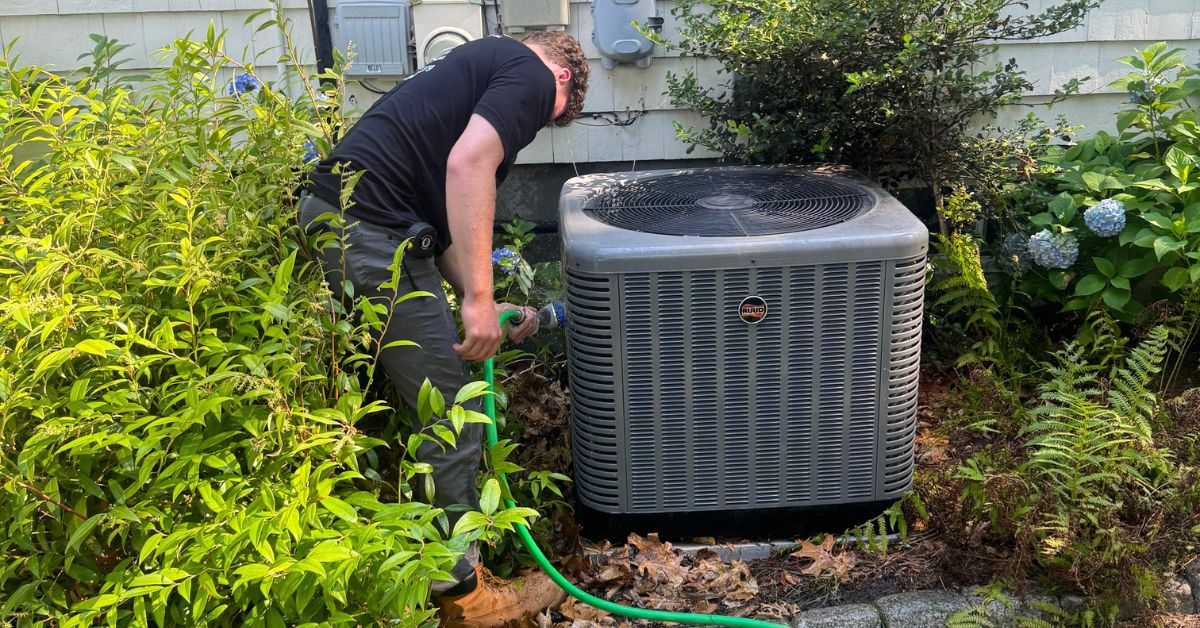
Regular AC cleaning can help lower energy bills by improving airflow and heat transfer, so the system does not have to run as long to cool your home.
In areas like Dover, AC units often run hard through humid stretches. Buildup on coils, filters, and drain components can add resistance and force longer run times, which increases energy use and wear on key parts.
Quick takeaways
- A dirty system often runs longer to reach the thermostat setting, which can raise energy use.
- Coil and airflow restrictions can reduce heat transfer, lowering efficiency and comfort.
- Regular service can help catch small issues (refrigerant concerns, electrical wear, drainage problems) before they become expensive failures.
- Professional cleaning focuses on safe, system-specific methods, not one-size-fits-all DIY shortcuts.
- A consistent maintenance schedule supports comfort, reliability, and predictable operating costs.
What is the biggest reason dirty AC units use more electricity?
Most of the time, it is restricted airflow or dirty coils. Both problems reduce efficiency, so the air conditioner has to run longer to remove the same amount of heat.
How dirty AC components can increase energy use
When an AC system is clean, it can absorb indoor heat and release it outdoors efficiently. When it is dirty, the system has to work harder to do the same job. That extra work typically shows up as longer run cycles, higher electrical draw, and uneven cooling.
Common contributors include:
- Restricted airflow from a clogged filter or dusty blower components
- Dirty evaporator or condenser coils that reduce heat transfer
- Blocked condensate drainage that can trigger safety shutoffs or contribute to humidity issues
- Mechanical wear that increases friction and reduces efficiency over time
What “AC cleaning” actually includes (and why it matters)
Professional service is not just a quick wipe-down. A thorough visit typically includes inspection, cleaning, and performance checks aimed at restoring proper airflow and heat exchange.
Most appointments include some combination of:
- Filter inspection and replacement recommendations
- Coil condition check and cleaning as appropriate
- Blower compartment inspection for dust buildup
- Condensate drain inspection and clearing
- Electrical connection and capacitor checks
- Thermostat and temperature split checks
This is the kind of work people are searching for when they look up air conditioner cleaning in Dover. The goal is not just “clean,” but “clean enough to run efficiently and safely.”
How do I know if my AC needs cleaning?
Common signs include longer run times, uneven cooling between rooms, higher indoor humidity, rising energy bills, or weak airflow that does not improve after a filter change.
The efficiency connection: clean coils, better heat transfer
Coils are where the system does the real work of moving heat. When dust, debris, or film builds up, heat transfer drops. The system may still cool, but it may take longer and run more frequently to maintain the same set point.
Over time, that can mean:
- Higher energy consumption
- Hot and cold spots in the home
- More strain on the compressor and fan motors
- Shortened equipment life
Airflow problems: the silent energy bill driver
Airflow issues can be subtle. You may feel some cool air, but not enough volume to cool efficiently. When airflow is low, the system can lose efficiency and comfort at the same time.
Signs you may have an airflow or cleanliness issue:
- Rooms that never feel as cool as others
- Longer run times than usual
- Higher indoor humidity
- Dustier vents or returning dust shortly after cleaning
- A system that cycles frequently without reaching comfort
Because airflow and cleanliness are closely linked, consistent AC maintenance for Dover homeowners is often a practical way to keep performance steady across the season.
How often should AC cleaning and maintenance be scheduled?
There is no single answer for every home, but most systems benefit from a regular schedule. Factors like pets, allergies, home construction dust, and system age can all influence how quickly components get dirty.
A common approach is:
- Seasonal maintenance before peak cooling season
- Filter checks more frequently during heavy use
- Additional service if performance drops, humidity rises, or energy use spikes
Kerivan-Lane can recommend a schedule based on your system type and how your home is used.
Can AC maintenance help prevent breakdowns?
Yes. Routine maintenance can catch issues like worn electrical components, drainage problems, or early performance drops before they turn into major repairs during peak cooling season.
When to call a professional (instead of trying to handle it yourself)
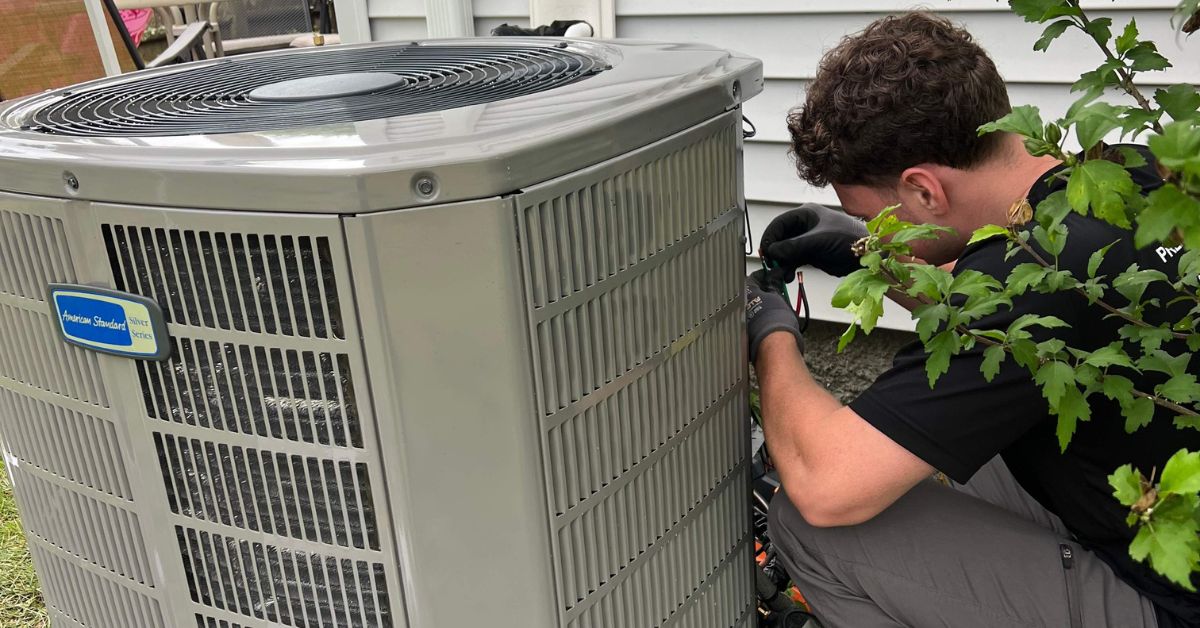
Some basic upkeep (like replacing a filter) is straightforward. But deeper cleaning and system checks are best left to a licensed HVAC team. AC equipment includes electrical components, sensitive fins, and refrigerant circuits that require proper tools and training.
Call a professional if you notice:
- Ice on refrigerant lines or the indoor coil
- Burning smells, buzzing, or unusual noise
- Water around the indoor unit
- Weak airflow that does not improve after a filter change
- Sudden or unexplained increases in energy bills
Frequently Asked Questions
Does AC cleaning really reduce my energy bill?
It can. When coils and airflow components are dirty, the system often runs longer to meet demand. Cleaning and maintenance can help the unit operate closer to its designed efficiency, which may lower energy use depending on the unit’s condition and how often it runs.
What is the difference between AC cleaning and AC maintenance?
Cleaning focuses on removing buildup that restricts airflow or heat transfer. Maintenance usually includes cleaning plus system checks (electrical, drainage, temperature performance, and overall condition). Most homeowners benefit from a maintenance visit that includes cleaning where needed.
Is coil cleaning safe for all systems?
Yes, when done correctly. Professionals use system-appropriate methods and cleaners to avoid damaging coil fins, electrical components, or surrounding materials. This is one reason to avoid aggressive DIY products or pressure-washing approaches.
Schedule AC service with Kerivan-Lane
If your AC is working harder than it should, a professional cleaning and maintenance visit can be a smart first step toward lower energy use and more consistent comfort.
Contact Kerivan-Lane to schedule a service and get a maintenance plan that fits your system and your home.