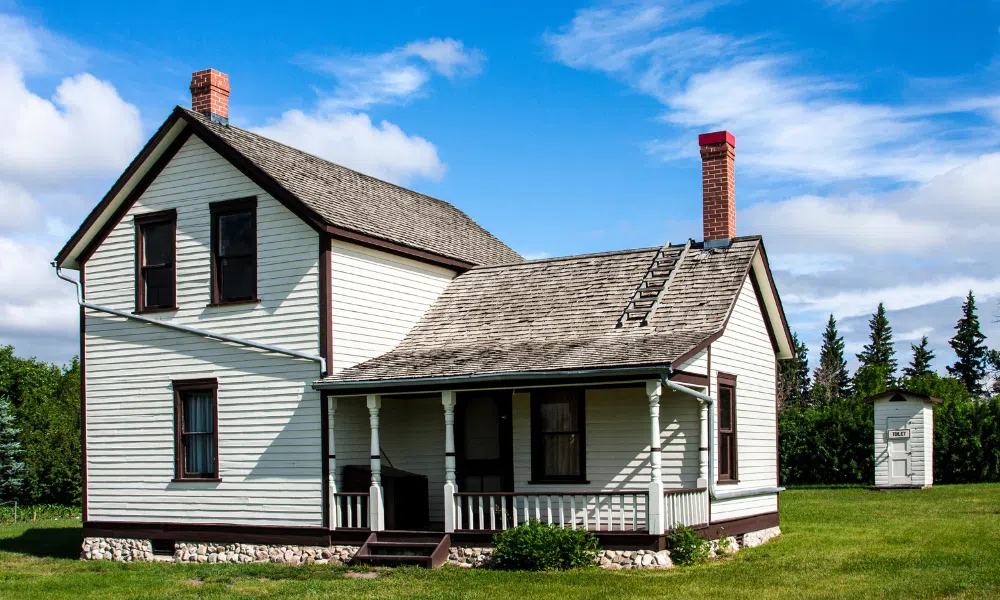
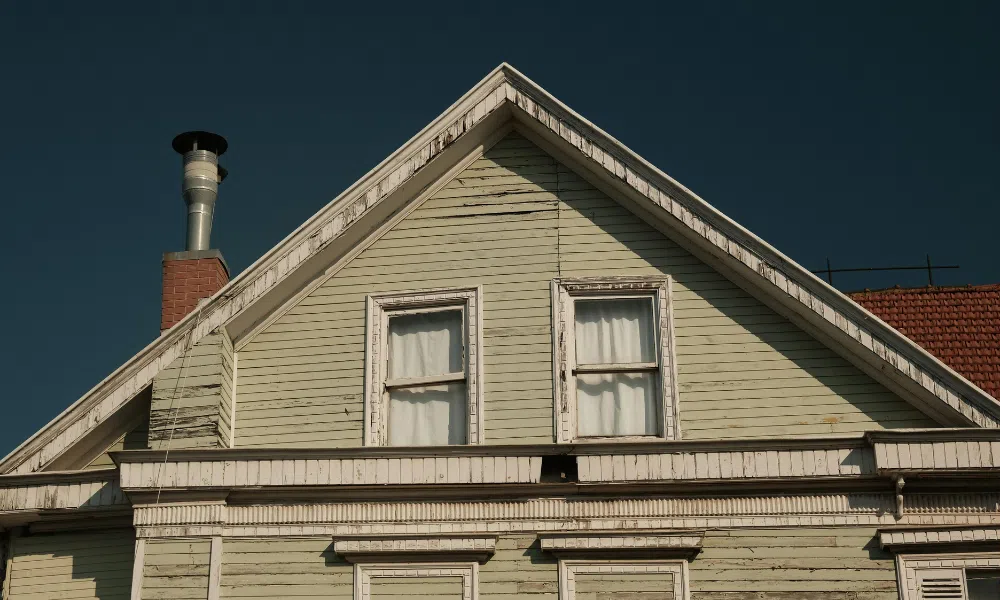
Older homes have a lot going for them: character, solid construction, and established neighborhoods. But if your house was built decades ago, your heating and cooling system may be dealing with challenges that newer builds don’t have. Between original ductwork, older electrical panels, past renovations, and shifting insulation standards, it’s common for comfort issues to show up as higher energy bills, uneven room temperatures, strange noises, or frequent breakdowns.
Kerivan-Lane has served Massachusetts communities for three generations, helping homeowners stay comfortable through humid summers and New England winters with dependable heating, cooling, plumbing, and propane services. When you need a local HVAC contractor in Medfield that homeowners can rely on, our team focuses on safe, code-aware repairs and clear recommendations, especially in older homes where “quick fixes” often miss the real cause.
What you will learn
- Which HVAC problems are most common in older homes—and why they happen
- How to spot warning signs before a breakdown becomes an emergency
- What a professional HVAC Inspection should include for older systems
- When you can try a simple homeowner check vs. when to call a pro
- How to choose among local hvac companies when you need repairs or upgrades
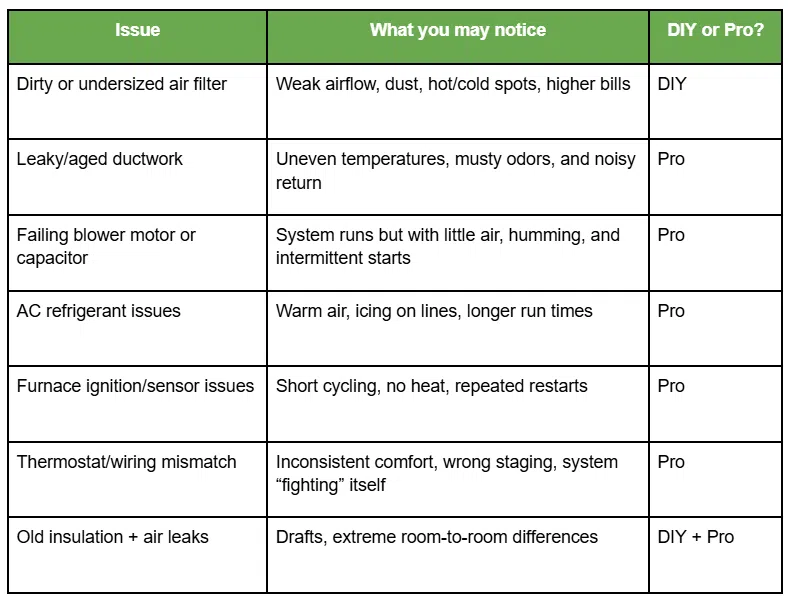
Quick reference table: common problems in older-home HVAC systems
Where we serve (Greater Boston / MetroWest)
Kerivan-Lane provides HVAC service across Massachusetts and Greater Boston. Here are a few helpful starting points:
Medfield, MA HVAC & home services · Needham, MA · Newton, MA HVAC · Framingham, MA HVAC
- See more towns: Service Areas
- Questions or scheduling: Contact Kerivan-Lane · Office: (781) 444-0279 · After-hours emergencies: (617) 527-1745
Why do older homes develop HVAC problems more often
Older homes typically go through multiple “eras” of heating and cooling:
- A boiler or furnace installed decades ago, sometimes with retrofits
- Central air added later (often with ductwork that wasn’t originally designed for AC)
- Renovations that change airflow (closed-off rooms, finished basements, additions)
- Upgraded windows/doors in some areas, but not others
The result is a system that may technically run, but not efficiently. That’s why an HVAC Inspection in an older home shouldn’t only check if equipment turns on—it should evaluate airflow, duct integrity, safety controls, and how the system matches the home’s current layout.
1) Uneven temperatures and uncomfortable “hot” or “cold” rooms
What it looks like: Upstairs is roasting in summer, the first floor feels clammy, or one bedroom never warms up.
Common older-home causes:
- Duct leaks in attics/basements or disconnected runs
- Poor return air placement (not enough return air upstairs)
- Closed or blocked supply vents, furniture covering registers
- Older insulation levels that allow major heat gain/loss
- System sizing that no longer matches the home after renovations
Why it matters: Uneven comfort often leads homeowners to overwork the system. That increases wear, raises energy costs, and can shorten equipment life.
Pro move: A technician can measure temperature split, static pressure, and airflow to identify whether the problem is distribution (ducts/returns) or equipment (blower, refrigerant, staging).
2) Weak airflow from vents (especially noticeable on hot or cold days)
Weak airflow is one of the biggest clues that your system is struggling. It can show up as long run times, rooms that never reach the set temperature, or vents that feel like they’re barely pushing air.
What to check first (safe homeowner checks):
- Replace the air filter (and confirm the correct size)
- Make sure supply vents and returns are open and not blocked
- Check that the outdoor AC unit (condenser) isn’t packed with leaves or debris
When it’s not DIY anymore:
- A blower motor or capacitor may be failing
- The evaporator coil may be dirty or icing
- Ductwork may be collapsed, disconnected, or severely leaking
If you’re searching for air conditioning repair medfield because airflow dropped suddenly during a heat wave, it’s best to schedule service quickly. Airflow issues can trigger frozen coils and cause more damage if the system keeps running.
3) Short cycling (system turns on and off frequently)
Short cycling is hard on HVAC equipment—like stop-and-go traffic for your system. In older homes, it can happen for multiple reasons.
Common causes:
- Oversized equipment installed during a prior replacement
- Dirty filters or coils restricting airflow
- Thermostat location problems (sunlight, drafts, near a kitchen)
- Furnace flame sensor issues, limit switch trips, or venting complications
Why you should address it: Short cycling can increase humidity problems in summer, cause temperature swings, and lead to premature compressor or heat exchanger wear.
4) Noisy HVAC operation (rattling, banging, squealing, or humming)
Older systems can be louder, but “new” or worsening noises are worth attention.
What different sounds can mean:
- Rattling: loose panels, blower wheel imbalance, duct vibration
- Banging: expansion/contraction, duct “oil-canning,” or ignition-related issues in a furnace
- Squealing: belt or motor bearing problems
- Humming with no start: electrical/capacitor issues
A qualified technician can inspect electrical components and moving parts safely. Avoid opening sealed electrical compartments yourself.
5) AC blows warm air or can’t keep up on hotter days
When older homes get central air added later, the system may be working against ductwork that was designed for heat, not cooling. Even with a good AC unit, older ducts and insulation can make it feel like the home “won’t cool down.”
Common reasons:
- Refrigerant charge issues (often due to a leak)
- Dirty condenser or evaporator coil
- Undersized ductwork for cooling airflow demands
- Attic duct losses (hot attic air + leaky ducts)
If you suspect refrigerant problems, don’t keep resetting the thermostat lower and lower. That can lead to icing and system shutdown. Call a professional for air conditioning repair medfield service and diagnostics.
6) Furnace problems: inconsistent heat, strange smells, or frequent resets
Older furnaces and boilers can still run well with proper care, but certain warning signs should never be ignored.
Common furnace issues in older homes:
- Dirty burners, ignition issues, or sensor faults
- Blower problems (especially in forced-air furnaces)
- Thermostat staging mismatch after upgrades
- Venting and combustion safety concerns
When to call for furnace repair:
- You smell gas or strong exhaust odors
- You see soot, corrosion, or moisture around the furnace/venting
- You have repeated lockouts or the furnace won’t stay running
For fast furnace repair, contact a licensed team that understands combustion safety and local code requirements.
7) Indoor air quality problems (dust, musty odors, humidity, allergies)
Older homes can have unique air-quality challenges:
- Ductwork that has collected decades of debris
- Crawlspaces/basements that introduce moisture or odors into return air
- Gaps and leaks that pull in dust from attics or wall cavities
HVAC Inspection tip: Ask for an airflow and filtration review. Sometimes a higher-quality filter, better return sealing, or humidity control recommendations can make a noticeable difference.
Step-by-step: what homeowners can do before calling an HVAC contractor
These steps are safe and often help—especially if your system “suddenly” started acting up.
- Step 1: Check thermostat settings and batteries.
Confirm it’s set to the correct mode (Heat/Cool/Auto) and temperature. Replace batteries if applicable. - Step 2: Replace the air filter.
Use the correct size and airflow direction. If filters get dirty quickly, note it—that’s useful inspection data. - Step 3: Check vents and returns.
Make sure registers are open and returns aren’t blocked by rugs, furniture, or curtains. - Step 4: Inspect the outdoor unit (AC).
Clear leaves, grass clippings, and debris around the unit. Keep at least 2 feet of clearance. - Step 5: Look for obvious warning signs.
Water around equipment, ice on the AC lines, burning smells, or repeated shutoffs are “stop and call” signals.
Image alt text: Kerivan-Lane technician troubleshooting airflow during an HVAC Inspection in an older Medfield, MA home. If the issue persists, schedule professional service through the Kerivan-Lane contact page or call (781) 444-0279.
Why you should act quickly (without panic)
Delaying HVAC repairs in an older home can create secondary problems:
- Higher energy bills from inefficient run times
- Moisture and humidity issues that can impact indoor air quality
- Increased wear on motors, compressors, and ignition components
- Greater risk of a no-heat/no-cool emergency during extreme weather
When you notice recurring symptoms, an HVAC Inspection is often the most cost-effective next step because it identifies the true cause, not just the loudest symptom.
Why Medfield homeowners trust Kerivan-Lane
When comparing HVAC companies, homeowners typically want a team that’s experienced, responsive, and transparent, especially when the home is older and the “right answer” depends on careful evaluation.
Kerivan-Lane is a one-stop resource for year-round comfort, and customers value:
- A long-standing local reputation and multi-generation experience
- Technicians who service and maintain the systems they install
- Straightforward explanations and options, not guesswork
- Support for both planned maintenance and urgent problems
Learn more about local support in Medfield, MA or view broader coverage on the Service Areas page.
When to call for emergency HVAC service
Some HVAC situations should be treated as urgent:
- No heat during freezing temperatures
- Electrical burning smell, sparking, or repeated breaker trips
- Suspected gas leak (leave the home and contact the gas provider/emergency services)
- Water is leaking near electrical components
- Furnace shuts down repeatedly or shows error codes after resets
For help, call Kerivan-Lane at (781) 444-0279. After-hours emergencies: (617) 527-1745. You can also use the contact form.
Frequently Asked Questions
What is included in an HVAC Inspection for an older home?
A thorough HVAC Inspection should review heating/cooling performance, safety controls, airflow, duct condition, filter fit, thermostat operation, and visible signs of wear or leaks. Older homes benefit from extra attention to duct leakage, insulation gaps, and system sizing.
How often should I schedule an HVAC Inspection?
Most homeowners benefit from a professional inspection and tune-up at least once per year (often twice, before peak heating and cooling seasons). This helps catch issues early and supports efficiency.
Why does my older home have hot and cold spots?
Hot/cold spots are commonly caused by duct leakage, insufficient return air, poor insulation, or a system that no longer matches the home after renovations. An inspection can pinpoint whether the fix is airflow, equipment, or building-envelope related.
When should I call for air conditioning repair in Medfield?
Call for service if your AC is blowing warm air, icing, leaking, making new noises, or running constantly without reaching temperature. These can indicate refrigerant, airflow, or electrical issues.
When should I call for furnace repair?
Call if you have no heat, repeated shutoffs, unusual smells, banging noises, or the system short-cycles. If you ever suspect a gas leak or unsafe combustion, treat it as urgent.
How do I choose between HVAC companies for an older home?
Look for licensing/insurance, clear communication, maintenance options, and experience evaluating airflow and ductwork, not just swapping parts. Older-home comfort often depends on diagnosing the full system.
Schedule an HVAC Inspection in Medfield, MA
If your older home in Medfield has uneven temperatures, weak airflow, or frequent breakdowns, a professional HVAC Inspection can give you clear answers and a safe path forward. Reach out to Kerivan-Lane to schedule service: Contact Us or call (781) 444-0279.