

When winter temperatures drop in Massachusetts, having a reliable home heating system isn’t a luxury; it’s a necessity. Many homeowners find themselves weighing two popular options: propane heat and oil heat. With fluctuating heating oil prices, growing interest in propane systems, and plenty of advice online, it can be hard to know which option truly makes sense for your home.
If you’ve searched for heating oil near me or wondered whether propane in areas like Norwood, MA, is a better investment, you’re not alone. Both heating methods have advantages, and the right choice depends on your home, budget, and comfort expectations. In this guide, we’ll break down propane vs. oil heat in clear, practical terms, so you can make a confident, informed decision with help from trusted local experts like Kerivan-Lane.
Propane vs. Oil Heat: Which Is Best for Home Heating?
Choosing between propane and oil heat involves more than selecting a fuel type. For Massachusetts homeowners, cost, performance, and reliability during long winters are key factors. Fuel prices fluctuate based on market conditions and seasonal demand, which is why many homeowners search for heating oil near me or monitor heating oil prices as cold weather approaches. While propane pricing has its own variables, oil heat remains a familiar and dependable option for many New England homes.
Efficiency and maintenance also influence the decision. Propane systems offer strong efficiency ratings, but oil heat delivers higher heat output, providing steady warmth during extreme cold. Oil systems require annual oil burner service, yet they’re known for durability and long-term performance when properly maintained. The right choice ultimately depends on your home’s size, existing setup, and comfort priorities.
Understanding Propane and Oil Heating Systems
What Is Propane Heating?
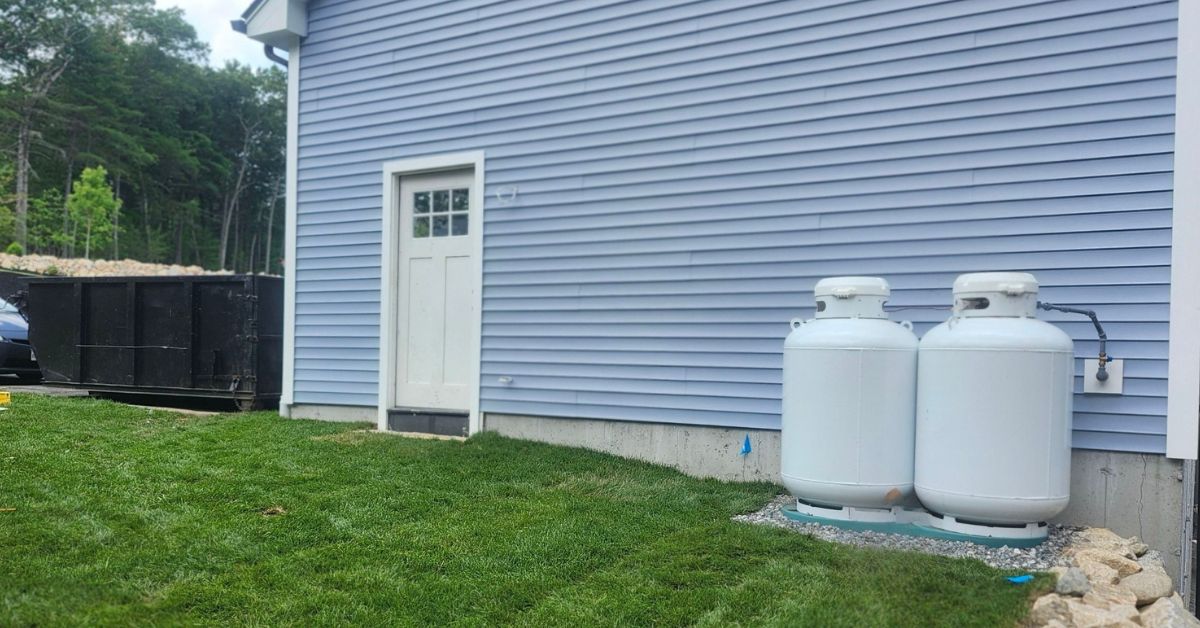
Propane is a clean-burning gas stored in an on-site tank and delivered as needed. Propane heating systems commonly power furnaces, boilers, water heaters, fireplaces, and even cooking appliances. In towns like Norwood, MA, propane can be a flexible option for homes without access to natural gas.
Modern propane systems are designed for efficiency and versatility, making them appealing for newer homes or properties that rely on propane for multiple household needs.
What Is Oil Heat?
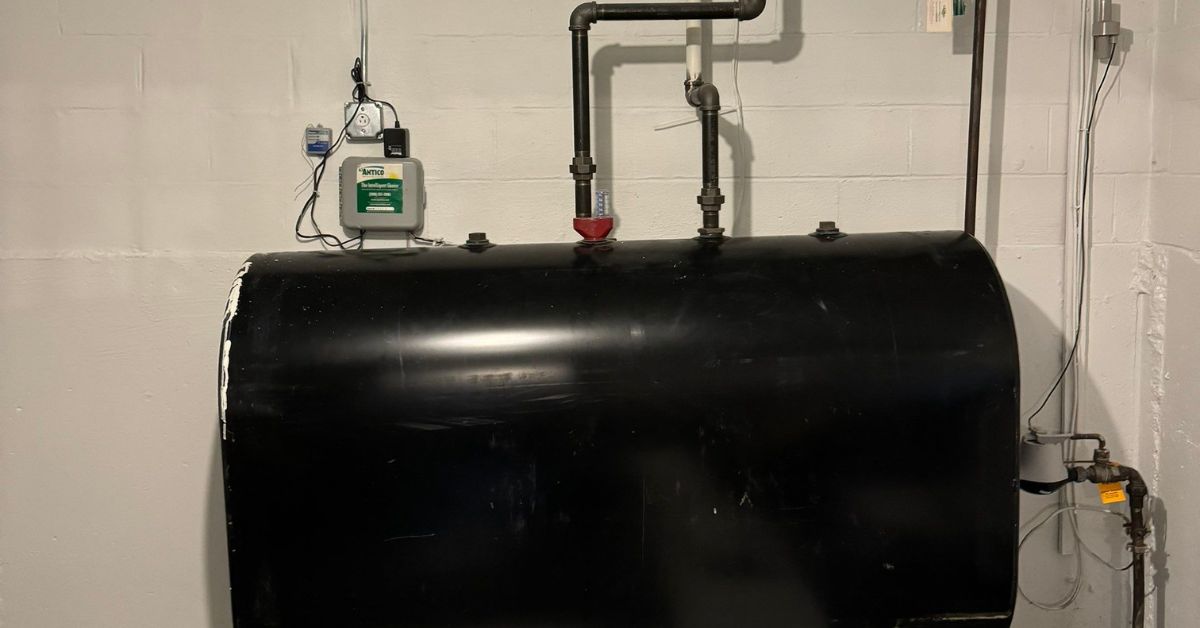
Oil heat uses heating oil stored in a tank and burned in a furnace or boiler to produce heat. Oil heating systems are extremely common throughout Massachusetts, particularly in older homes built before natural gas infrastructure was widespread.
Oil heat is known for its strong heat output and dependable performance during extreme cold, one reason many homeowners stick with it year after year, especially when supported by routine oil burner service.
Propane vs. Oil Heat: Key Differences at a Glance
- Oil heat produces a higher BTU output, delivering powerful warmth during very cold weather
- Propane systems tend to have slightly higher efficiency ratings in newer equipment
- Heating oil prices fluctuate seasonally but are widely monitored and budgeted for
- Propane often supports multiple appliances beyond home heating
- Oil heating systems are extremely common and well-supported across Massachusetts
This comparison highlights why neither option is universally “better.” It depends on how you heat your home and what you value most.
Comparing Heating Costs and Long-Term Value
Heating Oil Prices in Massachusetts
Heating oil prices can vary based on global oil markets, seasonal demand, and local supply. That’s why many homeowners regularly search for heating oil near me to stay informed and compare delivery options. While prices often rise in winter, oil heat remains competitive, especially for homes that already have oil systems in place.
Many local providers, including Kerivan-Lane, offer budget safety and service plans and predictable delivery schedules that help homeowners manage fuel costs more comfortably.
Propane Fuel Costs and Market Stability
Propane pricing is influenced by supply, demand, and transportation costs. While propane prices can be more stable at times, homeowners often need to factor in tank installation or rental costs if propane isn’t already in use.
For homes that rely on propane for heating, cooking, and hot water, bundling usage may help offset costs, but it’s important to evaluate overall consumption.
Which Fuel Is More Cost-Effective Over Time?
Long-term value depends on your home’s insulation, system efficiency, and fuel usage habits. Oil heat often offers better value for larger or older homes with existing infrastructure, while propane may be more economical in smaller or newly constructed homes.
Choosing the Right Heating System Starts with the Right Partner

Propane and oil heat both offer real benefits, but the best choice depends on your home, comfort preferences, and long-term goals. Oil heat continues to be a dependable, high-performance option for Massachusetts homeowners, especially when supported by professional service and fuel delivery you can trust.
If you’re weighing your options or want guidance on managing heating oil prices, scheduling oil burner service, or ensuring reliable winter warmth, Kerivan-Lane is here to help. Contact our experienced team today to discuss your home heating needs and enjoy the comfort you can count on all winter long.