
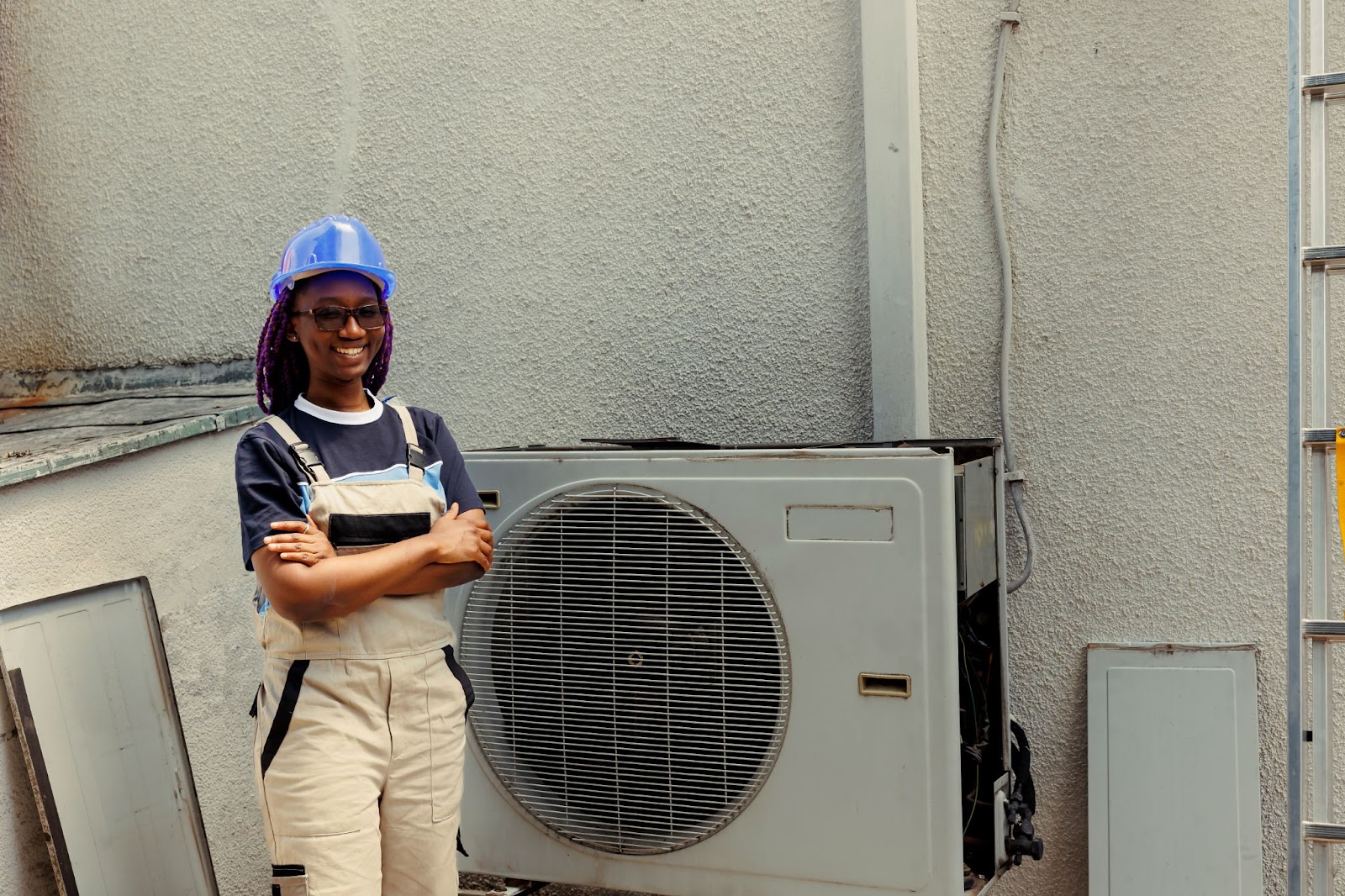
Central air is usually best if you want steady, whole-home comfort and you plan to stay in your home long-term. A portable air conditioner is often best if you need to cool one room, you rent, or you want a lower up-front cost. The “best” choice depends on your home size, existing ductwork, budget, and how many rooms you truly need to cool.
Air conditioning has become a staple in modern homes, providing respite from sweltering summers and ensuring comfortable indoor environments year-round. But the smartest choice comes down to matching the system to your space, not just buying the biggest unit.
What Is Central Air Conditioning?
Central air conditioning is a whole-house cooling system that uses an outdoor unit and indoor coil to push cooled air through ductwork into multiple rooms.
Central air conditioning systems are designed to cool entire homes efficiently. They consist of a central unit typically located outside the house, which distributes cool air through ducts to various rooms via vents installed in ceilings, walls, or floors. In simple terms: one system cools many rooms at once, using ducts as the “delivery system.”
The central unit comprises a compressor, condenser, evaporator coil, and refrigerant, all working together to regulate indoor temperatures.
Pros of Central Air Conditioning
Whole-House Cooling
Central AC systems are adept at maintaining consistent temperatures throughout the entire home, ensuring every room stays comfortable.
Improved Aesthetics
Because the “work” happens mostly outside and in ducts, you don’t have a big appliance sitting in your room. With no bulky units cluttering up rooms, central air conditioning offers a sleek and unobtrusive cooling solution, preserving the aesthetic appeal of interiors.
They are also better than window-type units which would stick out of the wall.
Enhanced Air Quality and Quieter Operation
Central systems often support stronger filtration, which can help reduce dust, pollen, and other allergens when filters are changed regularly.
Central systems often come equipped with air filters, effectively removing dust, pollen, and other allergens from circulating air, thereby improving indoor air quality. The main components of central air conditioning are located outside the living spaces, resulting in quieter operation compared to portable units.
Cons of Central Air Conditioning
High Initial Cost and Complex Installation
Central air conditioning cost is typically higher upfront, especially if ductwork needs to be installed or modified.
It can also require work inside the home during installation. The installation process for central air conditioning systems can be disruptive and time-consuming, often requiring professional expertise.
Limited Zoning Control
Central AC typically cools the entire house uniformly, which may not be ideal if different family members prefer different temperatures in various rooms.
What Is A Portable Air Conditioner?
Portable air conditioners offer a flexible alternative to central systems, particularly in homes where ductwork installation is impractical or cost-prohibitive. These units are self-contained and can be moved from room to room, providing localized cooling wherever required. Portable ACs typically consist of a single unit with an exhaust hose that vents hot air outside through a window or door.
Pros of Portable Air Conditioning
Affordability
Portable AC units usually cost less upfront than installing central air, making them a common choice for budget-conscious homeowners or short-term needs.
If you have a very limited budget, then portable units are the best choice.
Flexibility and Portability
If you only need cooling in a bedroom, home office, or one “hot” room, portable AC lets you focus cooling where you need it most.
The portability of these units allows homeowners to target specific areas for cooling, making them ideal for apartments, small homes, or rooms that require additional cooling. You can place them wherever they are needed inside the house.
Easy Installation and No Permanent Modifications
Portable units typically set up quickly and don’t require permanent changes to your home, which is helpful for renters.
Unlike central air conditioning, portable units require minimal installation effort. They can be set up quickly without the need for professional assistance. Since portable air conditioners don’t require permanent installation, renters can use them without making alterations to the property.
Cons of Portable Air Conditioning
Limited Cooling Capacity
Portable units are usually best for a single room and may struggle to cool large spaces or multiple rooms at once.
Portable AC units are generally less powerful than central systems, which may struggle to adequately cool larger spaces or multiple rooms. For most, this is the reason why they don’t use portable ACs.
Noisy Operation
Portable air conditioners can be louder because the compressor and fan are inside the room with you.
Portable air conditioners can be noisier than central systems, as the compressor and fan are housed within the same unit placed inside the room being cooled. The noise they generate can be too much for some people.
Space Requirements and Less Energy
Portable units take up floor space and must vent through a window or door, which can limit placement.
While portable units offer flexibility, they still occupy floor space and require access to a window or door for venting hot air, which can be inconvenient in some settings. Compared to central air conditioning, portable units may be less energy-efficient, leading to higher electricity bills over time, especially if used extensively.
How do you choose the right AC for your home?
Choose central air if you want whole-home comfort, already have ductwork (or can add it), and want a long-term solution. Choose a portable AC if you want to cool one room, need flexibility, rent your home, or want a lower up-front cost.
Choosing the Right Option for Your Home
How do you go about choosing the right kind of AC to use? Here are a few ideas that you can keep in mind when deciding:
Considerations
For larger homes with existing ductwork, central air conditioning may offer the most effective and efficient cooling solution. If cost is a significant concern or if you’re looking for a temporary cooling solution, portable air conditioners might be the better choice.
Here’s a quick way to decide:
- If you need to cool most rooms daily, central air usually makes more sense.
- If you only need one room cooled, a portable air conditioner is often the simpler solution.
Evaluate whether you require cooling in specific rooms or areas only, or if whole-house comfort is paramount. If you plan to stay in your current home for an extended period, investing in central air conditioning may provide greater comfort and long-term value. Also consider operating costs—electricity cost for central AC can rise if the system is older, poorly maintained, or incorrectly sized.
Climate Considerations
Central air conditioning systems often incorporate dehumidification features, making them better suited for humid climates where moisture control is essential. In regions experiencing extreme heat, central air conditioning may provide more consistent and reliable cooling performance compared to portable units.
Portable units can help with spot cooling, but they may not keep up as well for full-home comfort in extreme conditions.
Lifestyle Factors
Consider how you use your living spaces. If you spend most of your time in a few specific rooms, portable air conditioning units can offer targeted cooling where it’s needed most. Assess your tolerance for noise, especially if you’re sensitive to the sound of fans or compressors running continuously. If quiet matters for sleep or working from home, central air often has the advantage.
Maintenance Requirements
Regular upkeep helps both types of systems cool better and last longer. Regular maintenance, such as changing filters and scheduling professional tune-ups, is essential to ensure optimal performance and longevity. Central air system maintenance often includes filter changes, coil checks, and airflow testing. These units require periodic cleaning of filters and condenser coils, as well as ensuring proper venting to maintain efficiency.
Here are the steps that help most homeowners protect efficiency and comfort:
- Change or clean filters on schedule (central and portable).
- Keep vents and returns clear (central).
- Make sure the portable exhaust hose is sealed and as straight/short as possible.
- Schedule regular HVAC tune-ups for central systems, ideally before peak summer.
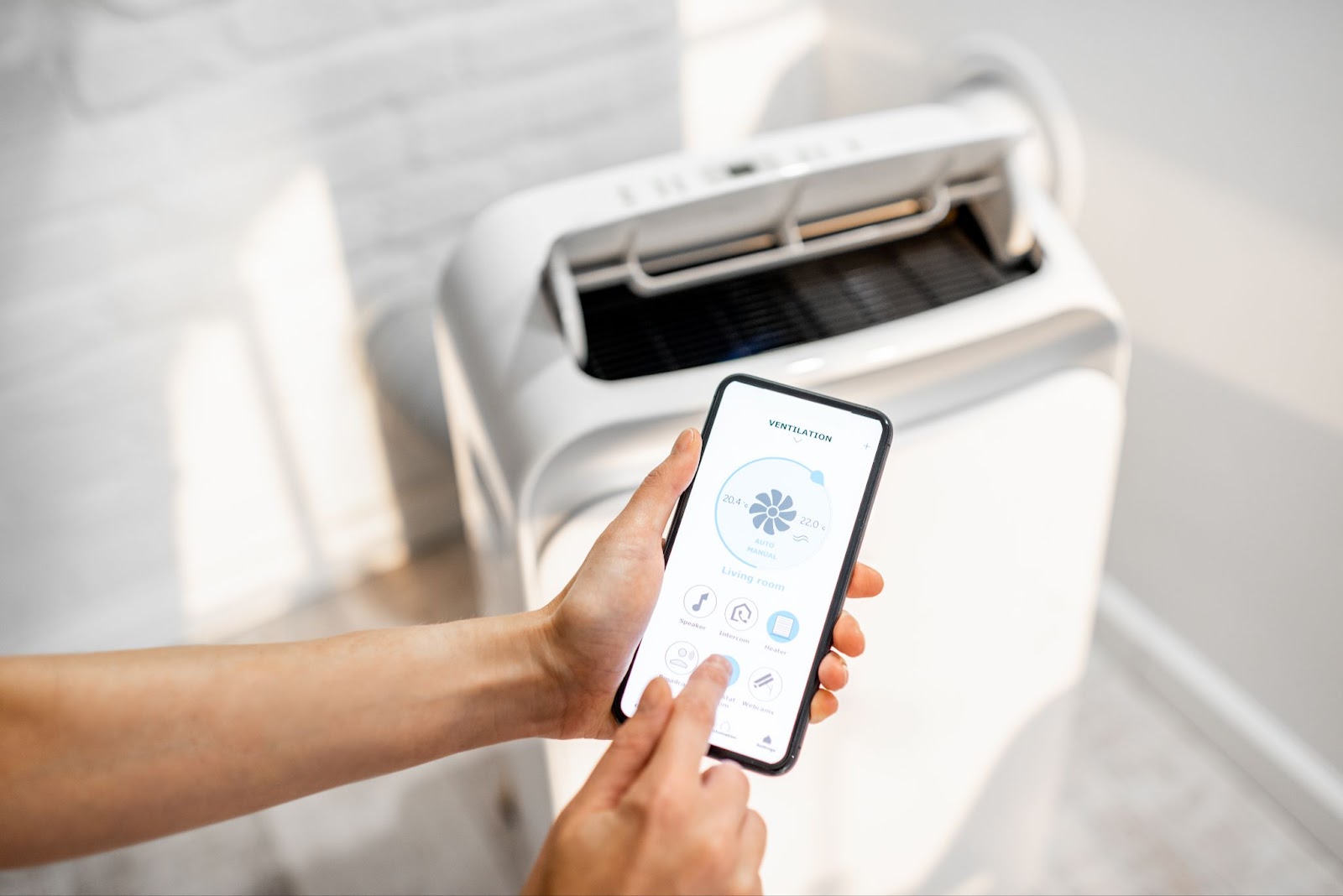
Choosing the Right Air Conditioning Unit for Your Home
Central and portable air conditioning systems each have their own set of advantages and limitations, and the choice between the two ultimately depends on factors such as budget, home size, climate, and lifestyle preferences.
While central air conditioning offers whole-house comfort and enhanced aesthetics, portable units provide flexibility and affordability, making them suitable for smaller spaces or temporary cooling needs.
By weighing up-front cost, long-term operating cost, and how many rooms you need to cool, you can choose a system that keeps your home comfortable without overspending.
Do you need expert advice regarding AC? Visit our Kerivan-Lane blog to learn more about our air conditioning services and how routine maintenance can help your system perform at its best.
Frequently Asked Questions About Central vs. Portable AC
Which uses more electricity, portable AC or central AC?
For one-room cooling, a portable air conditioner usually uses less electricity because it only cools a small space. For whole-home cooling, central AC is typically more efficient per square foot, especially when the system is properly sized and well maintained.
What is the most efficient air conditioning system for a home?
For most homes that need full-house cooling, a properly sized central air system with good ductwork is the most efficient option. Efficiency improves even more with regular HVAC tune-ups and consistent central air system maintenance.
Which AC is best for a lower electricity bill?
It depends on how much space you’re cooling. A portable AC is usually cheaper for one room, while central AC is more cost-effective for cooling multiple rooms, especially when properly maintained to control electricity costs.
What is a good SEER rating for AC?
SEER measures air conditioner efficiency. A higher SEER rating generally means lower energy use for the same cooling output. The right SEER rating depends on your climate, how often you use your AC, and your long-term budget goals.